Date
October 9, 2026
Contributor
Rooted Rising
Looking beyond projects to question what development really means for host communities.
What does development mean to a community whose rivers are polluted, whose farmland is damaged, and whose people continue to live with the consequences of oil extraction? Can a new school, a health centre, or a livelihood programme address the deeper harm done to the environment and the people who depend on it?
These were some of the questions that inspired “Can You Develop a Place You Are Still Destroying?”, a campaign led by writer Mirabel Longe (Project Lead, Environmental Justice), which examined Nigeria’s Host Communities Development Trust (HCDT).

Rather than simply explaining how communities could benefit from the HCDT, we wanted to create space for young people, policymakers, advocates, and the wider public to understand the system, examine its purpose, and critically question whether it truly responded to the needs of host communities.
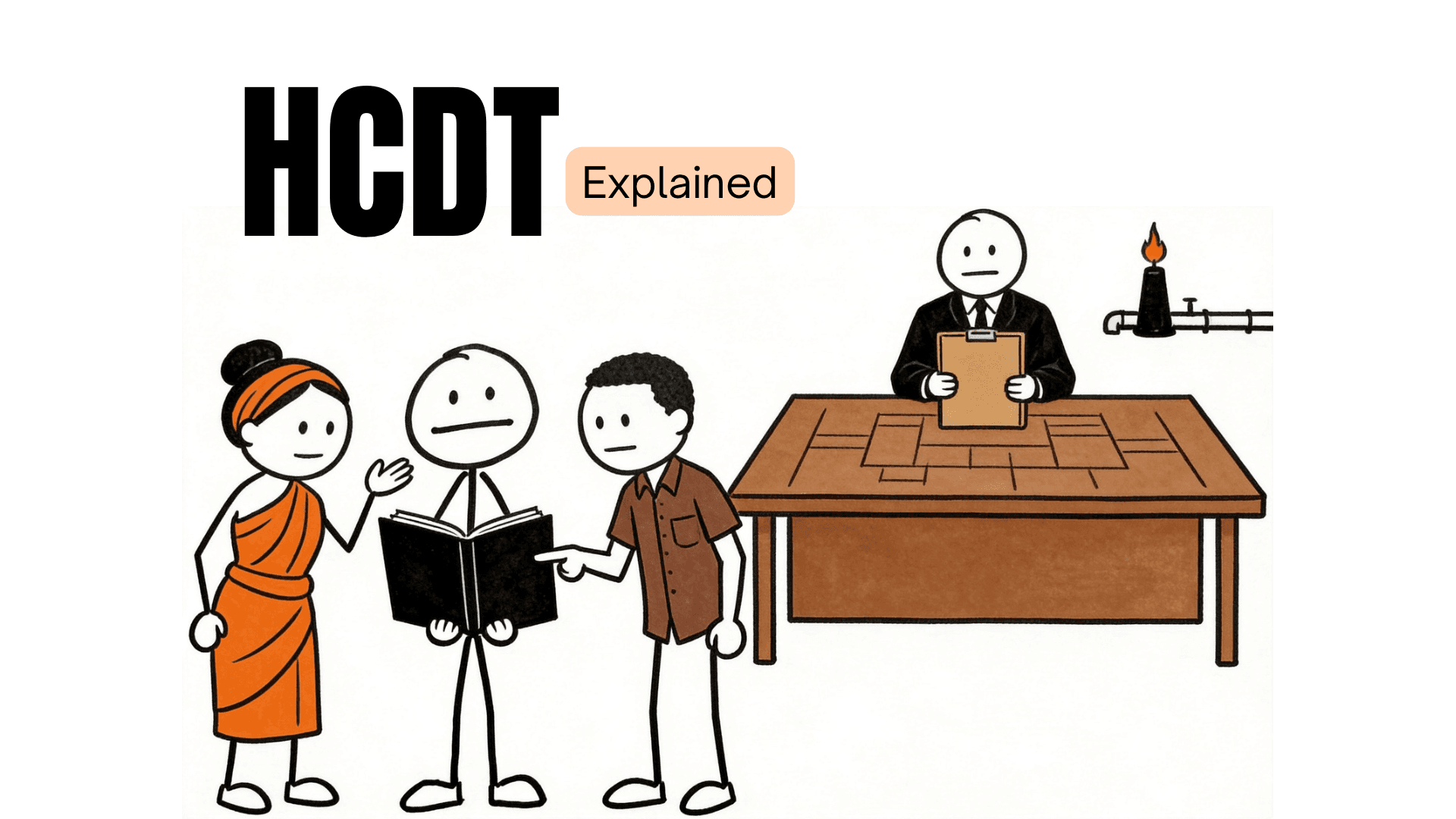
We began by developing an explainer that broke down the HCDT, making its concepts and processes easier to understand. This provided a foundation for more informed conversations about the Trust, its intended beneficiaries, and its role in community development.
We also published an article that examined the deeper questions surrounding development in communities affected by extraction. Through a Brain Booster and a Two Truths and One Lie activity, we encouraged audiences to test their understanding, challenge assumptions, and engage more critically with the HCDT. A daring-question graphic brought the central concern of the campaign into focus, inviting people to reflect on the contradictions between development promises and the realities of environmental destruction.
Each of these materials served a purpose: to make complex information accessible without stripping it of its meaning, and to move the conversation beyond awareness towards critical thinking and public engagement.
At the heart of the campaign was a concern that development projects, however valuable, could not automatically repair the damage caused by extraction. A new school did not restore a polluted river. A health centre did not reverse environmental degradation. And projects designed for collective benefit did not, by themselves, amount to compensation, environmental restoration, or reparations.
These questions were especially important for women, who often carried a disproportionate burden when pollution affected access to clean water, food, farmland, and livelihoods. Any serious conversation about development needed to consider their realities and ensure that their voices were part of decisions shaping their communities.
Through these different storytelling and educational materials, we sought to equip people with the knowledge to engage with the HCDT more thoughtfully—not simply to promote or reject it, but to understand its provisions, examine its limitations, and question whether it could adequately respond to the lived realities of host communities.
We believe that understanding a system is the beginning of questioning it. And development must mean more than building projects in places where the conditions for people to live and thrive are still being destroyed.
Discussion & Reviews
0Overall Rating
Posting as Anonymous
Be the first to share a localized perspective